
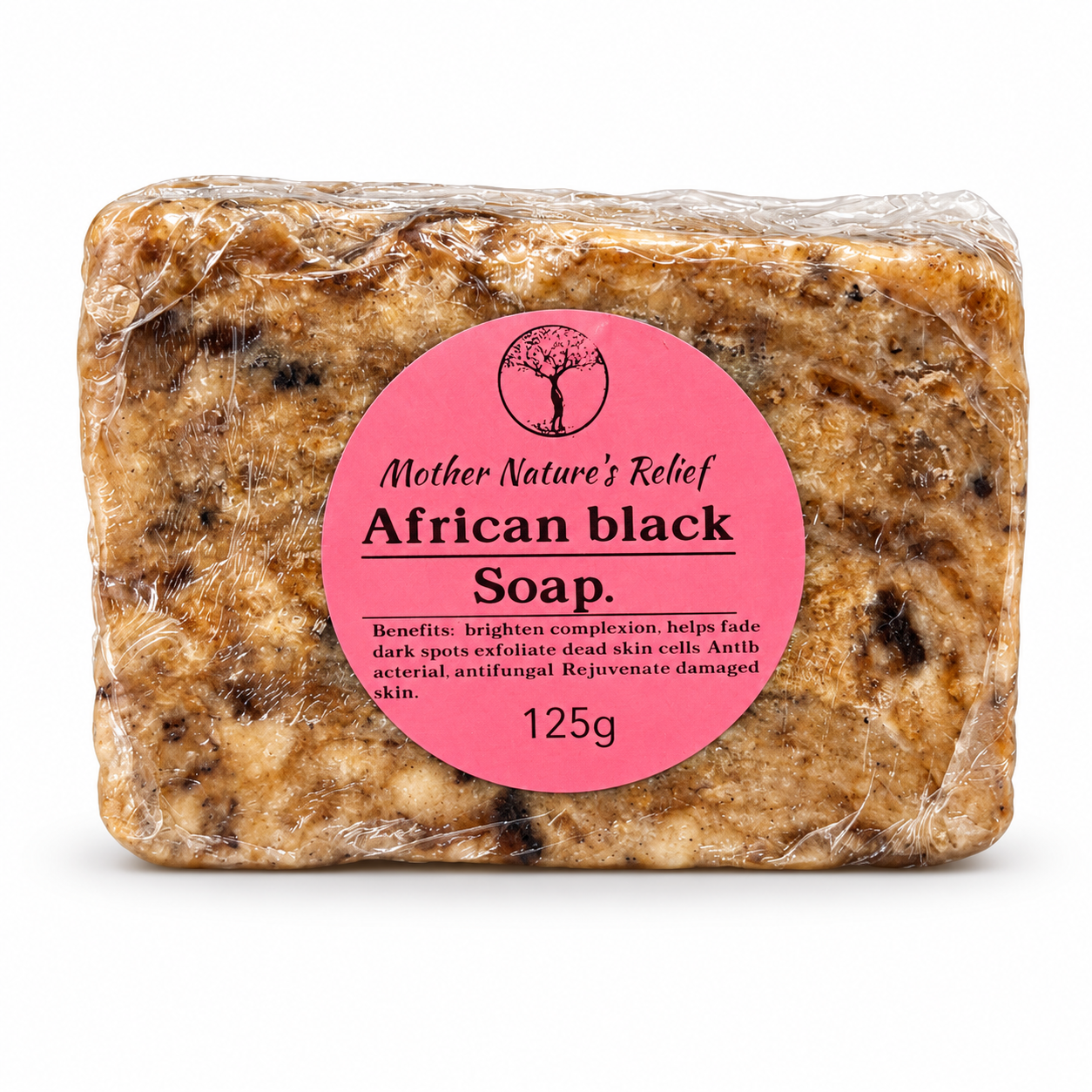
African Black Soap (125g)
R150,00
African Black Soap is a traditional West African plant-based cleansing soap used for everyday face and body care. Traditionally produced using plant-derived ash and natural oils or butters, it provides cleansing and gentle exfoliating properties while research has also identified potential antimicrobial activity.
✓ Deep Cleansing
✓ Helps Remove Excess Oil & Impurities
✓ Natural Exfoliating Effect
✓ Supports Smooth, Healthy-Looking Skin
✓ Antibacterial Properties Studied
✓ Suitable for Face & Body Cleansing
✓ Traditional West African Skin Care
✓ Plant-Based Soap
125g
10 in stock
Description
African Black Soap is a traditional plant-based cleansing soap with origins in West Africa, particularly Ghana and Nigeria. Traditional versions are commonly made using ash derived from plant materials such as cocoa pods, plantain peels or palm materials combined with vegetable oils or butters. Its exact formulation can vary considerably depending on how and where it is produced.
African Black Soap has a long history of use for everyday cleansing and skin care. Scientific research has identified potential cleansing, exfoliating and antimicrobial properties, although many claims relating to acne, pigmentation, scars and specific skin conditions still require stronger clinical evidence.
1. Deep Cleansing:
✓ African Black Soap is traditionally used to cleanse the skin and remove surface oil, dirt and impurities.
✓ Its soap base helps lift oils and debris from the skin during washing.
✓ This makes it suitable as part of a regular face or body cleansing routine, although frequency of use should be adjusted according to skin type.
2. Natural Exfoliating Effect:
✓ Traditional African Black Soap can have a slightly textured composition due to its plant-derived ingredients.
✓ This texture may provide gentle physical exfoliation, helping remove loose dead skin cells from the surface of the skin.
✓ Regular but moderate exfoliation can leave the skin feeling smoother and looking refreshed.
3. Antibacterial Research:
✓ Scientific studies have reported antibacterial activity from traditional African Black Soap against several bacterial species.
✓ A dermatology review reported activity against some Staphylococcal and Streptococcal organisms.
✓ Laboratory studies have also demonstrated antibacterial activity against organisms including Staphylococcus aureus, E. coli and Pseudomonas aeruginosa, although these laboratory results do not mean that African Black Soap should be used to treat an infection.
4. Supports Clear, Healthy-Looking Skin:
✓ African Black Soap is widely used by people with oily or blemish-prone skin because of its cleansing properties.
✓ Removing excess surface oil and impurities can support a cleaner-feeling complexion.
✓ Although African Black Soap is frequently marketed for acne, clinical evidence proving that it treats acne is still limited, so it should be viewed as a cosmetic cleanser rather than an acne medication.
5. Dark Marks & Uneven Skin Tone:
✓ African Black Soap is traditionally promoted for improving the appearance of dark marks and uneven skin tone.
✓ Exfoliation and regular cleansing may contribute to smoother, brighter-looking skin over time.
✓ However, claims that African Black Soap directly fades hyperpigmentation or scars remain insufficiently proven in clinical studies.
6. Traditional Botanical Ingredients:
✓ Traditional African Black Soap is produced using plant-derived materials rather than being a single standardised formula.
✓ Common traditional materials may include plantain peel ash, cocoa pod ash, palm materials, shea butter, palm oil, palm-kernel oil or coconut oil, depending on the region and producer.
✓ Because formulations differ, colour, texture, scent and how the soap feels on the skin may vary between products.
7. Skin-Care Tradition:
✓ African Black Soap has been used for generations throughout West Africa as a bathing and personal-care soap.
✓ Its traditional reputation includes use for cleansing, oily skin and a range of general skin concerns.
✓ Modern dermatology research recognises its potential beneficial properties while also noting that several popular claims still rely mainly on traditional or anecdotal evidence.
How to Use:
✓ Wet the soap and skin with water.
✓ Work the soap into a gentle lather using your hands.
✓ Apply the lather to the face or body rather than rubbing a rough bar aggressively against sensitive skin.
✓ Massage gently and rinse thoroughly.
✓ Follow with a moisturiser if your skin feels dry or tight after cleansing.
Important Note:
African Black Soap can be cleansing and exfoliating, but it may be too drying or irritating for some people, particularly those with very dry, sensitive, eczema-prone or already irritated skin.
Because African Black Soap formulations are not standardised, one product may be considerably stronger than another. Start slowly and discontinue use if persistent burning, redness, itching or excessive dryness occurs.
Claims that African Black Soap treats eczema, psoriasis, fungal infections, acne, scars or pigmentation disorders should be approached cautiously. Laboratory antimicrobial activity does not establish the soap as a medical treatment for these conditions.
Related products
-
Dandelion Root (60 Capsules)
R360,00 Add to cart -
CBD Hemp Oil (30ml)
R650,00 Add to cart -
Black Seed Oil (50ml & 200ml)
Price range: R200,00 through R500,00 Select options This product has multiple variants. The options may be chosen on the product page -
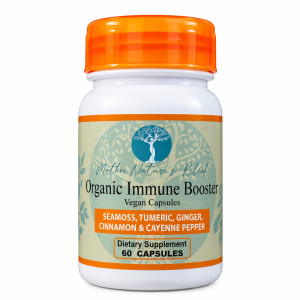
Organic Immune Booster (60 Capsules)
R360,00 Add to cart

Reviews
There are no reviews yet.